

CCFS-2026 MCA compliance is not just a regulatory formality, it is a rare, time-bound lifeline that Indian companies must act on before it disappears on July 15, 2026. If your company has missed even one year of annual ROC filings, this blog is written specifically for you.
The Ministry of Corporate Affairs (MCA) does not often offer grace. When it does, smart founders and business owners pay attention.
Why the July 15, 2026 MCA Deadline Could Decide Your Company’s Future
Most founders launch companies with ambition and urgency. Compliance, understandably, falls to the back of the queue. But the consequences of ignoring ROC filings compound quietly, until they become impossible to ignore.
Here is the reality: millions of Indian companies are currently non-compliant with basic annual filing obligations under the Companies Act, 2013. Many of them don’t even know how exposed they are.
CCFS-2026 (Companies Compliance Facilitation Scheme, 2026) is the government’s structured response to this crisis, a 90-day window, open from April 15, 2026 to July 15, 2026, for companies to regularise pending filings at a drastically reduced cost.
Miss this window, and you’re on your own.
The Silent Accumulation: How Filing Defaults Become Business-Ending Problems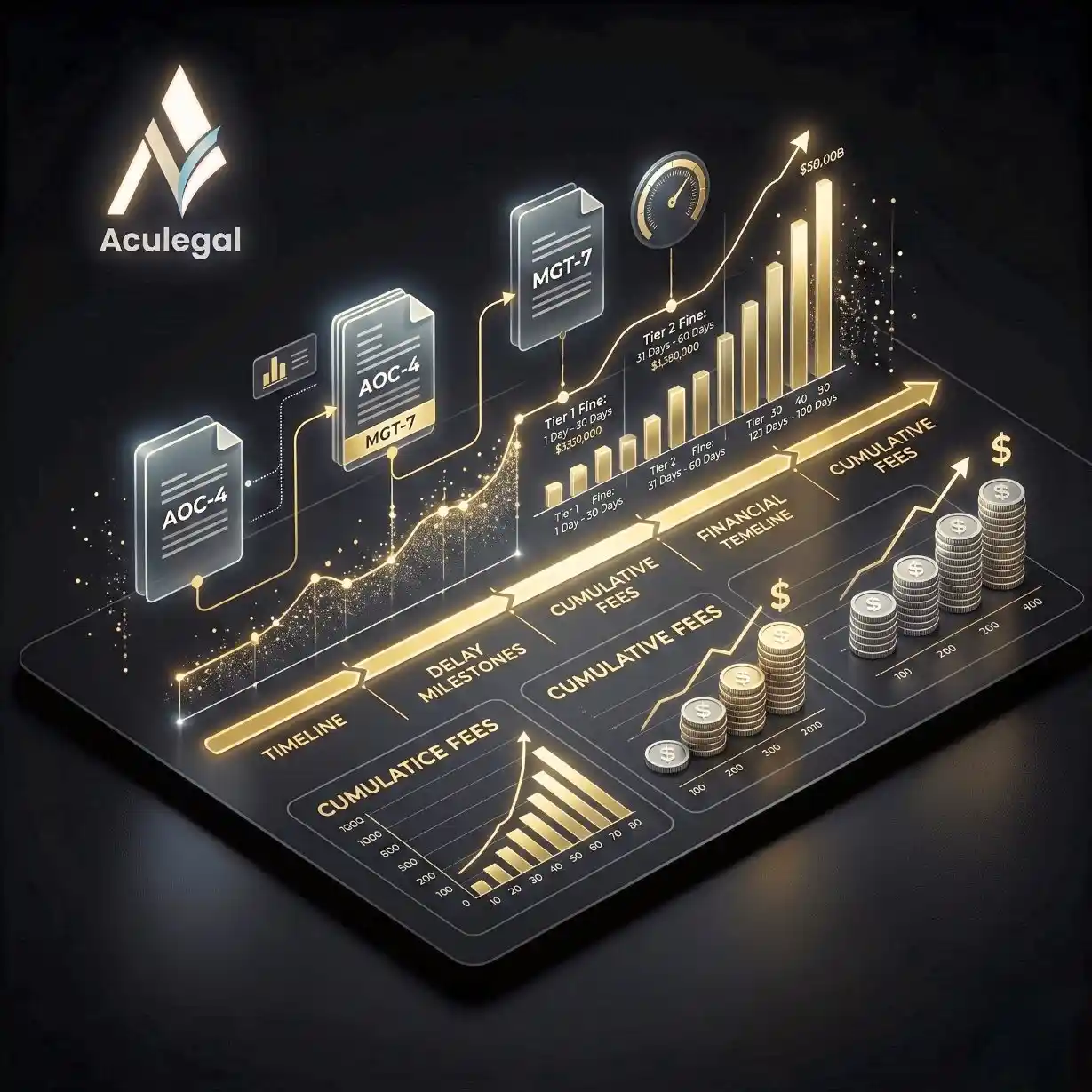
Under normal MCA rules, late filing of annual returns and financial statements attracts a penalty of ₹100 per day per form, with no upper cap. Both AOC-4 (financial statements) and MGT-7 (annual return) must be filed annually.
That means ₹200 per day in accumulating penalties for a company filing both late.
Over three to five years of defaults, that can easily cross ₹2–3 lakh per company, and that’s before prosecution, adjudication, or director disqualification enters the picture.
What Is CCFS-2026 and Why Should Every Founder Care?
CCFS-2026 is a one-time MCA compliance relief scheme introduced via MCA General Circular No. 01/2026, dated February 24, 2026. It allows companies registered under the Companies Act, 2013, to file overdue statutory forms by paying only 10% of the total accumulated additional fees, a waiver of 90% of what would otherwise be owed.
This is not a minor administrative update. It is the most significant compliance amnesty since 2018.
Three Pathways Under CCFS-2026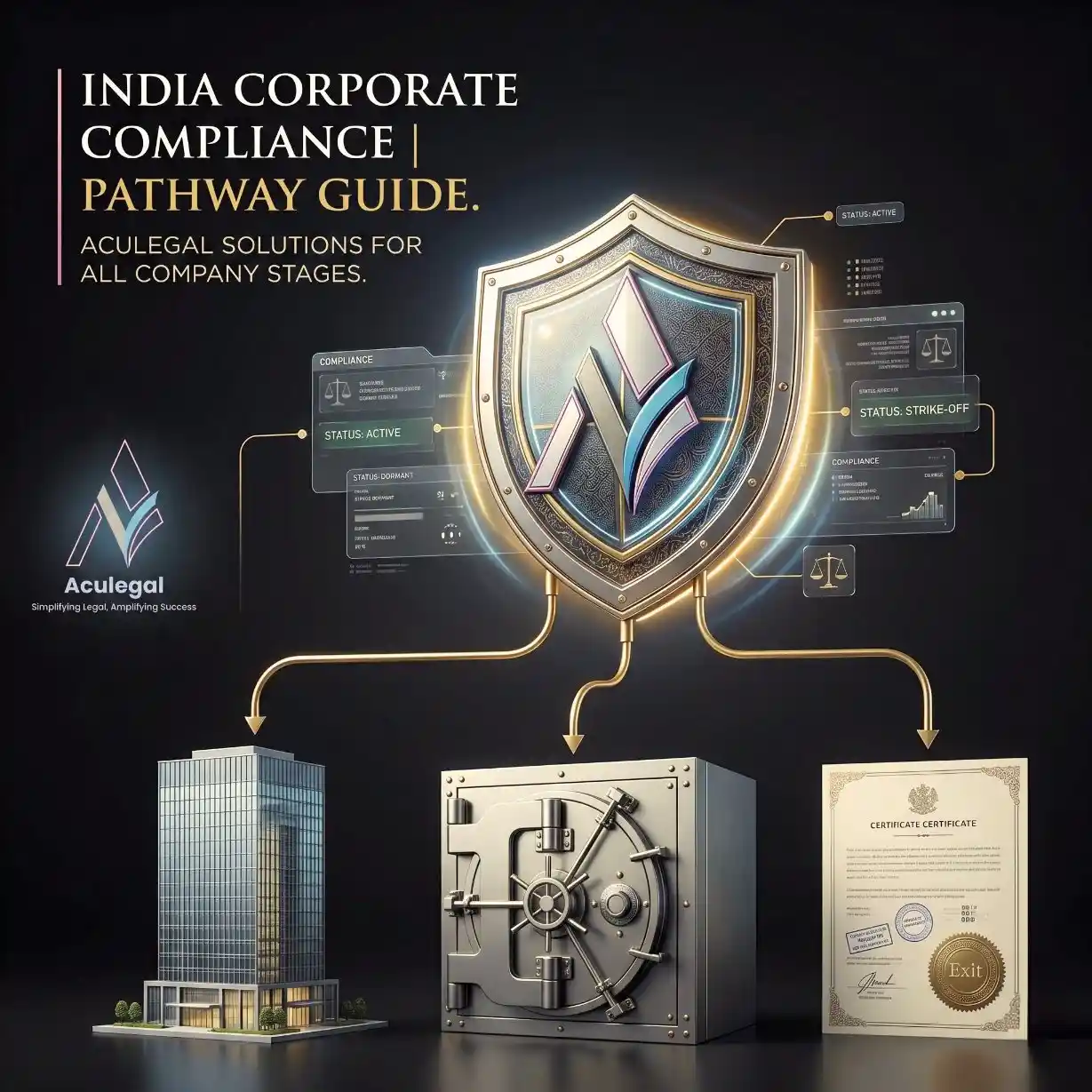
The scheme is not one-size-fits-all. Depending on your company’s current status, you can choose from three structured paths:
- Continue Operations – File all pending MGT-7 and AOC-4 forms at 10% of accumulated additional fees, restore your compliance record, and move forward as an active company.
- Go Dormant – File outstanding returns and apply for dormant status under MSC-1, at 50% of the applicable fee. Ideal for holding companies or ventures on pause.
- Exit Cleanly – File pending returns and apply for voluntary strike-off under STK-2, at 25% of the applicable fee. The most dignified and legally safe closure for dead-in-practice companies.
Each path has its own compliance requirements and filing sequence. The right choice depends on your company’s operational status, debt position, and future intentions.
The Cost of Inaction: What Happens After July 15, 2026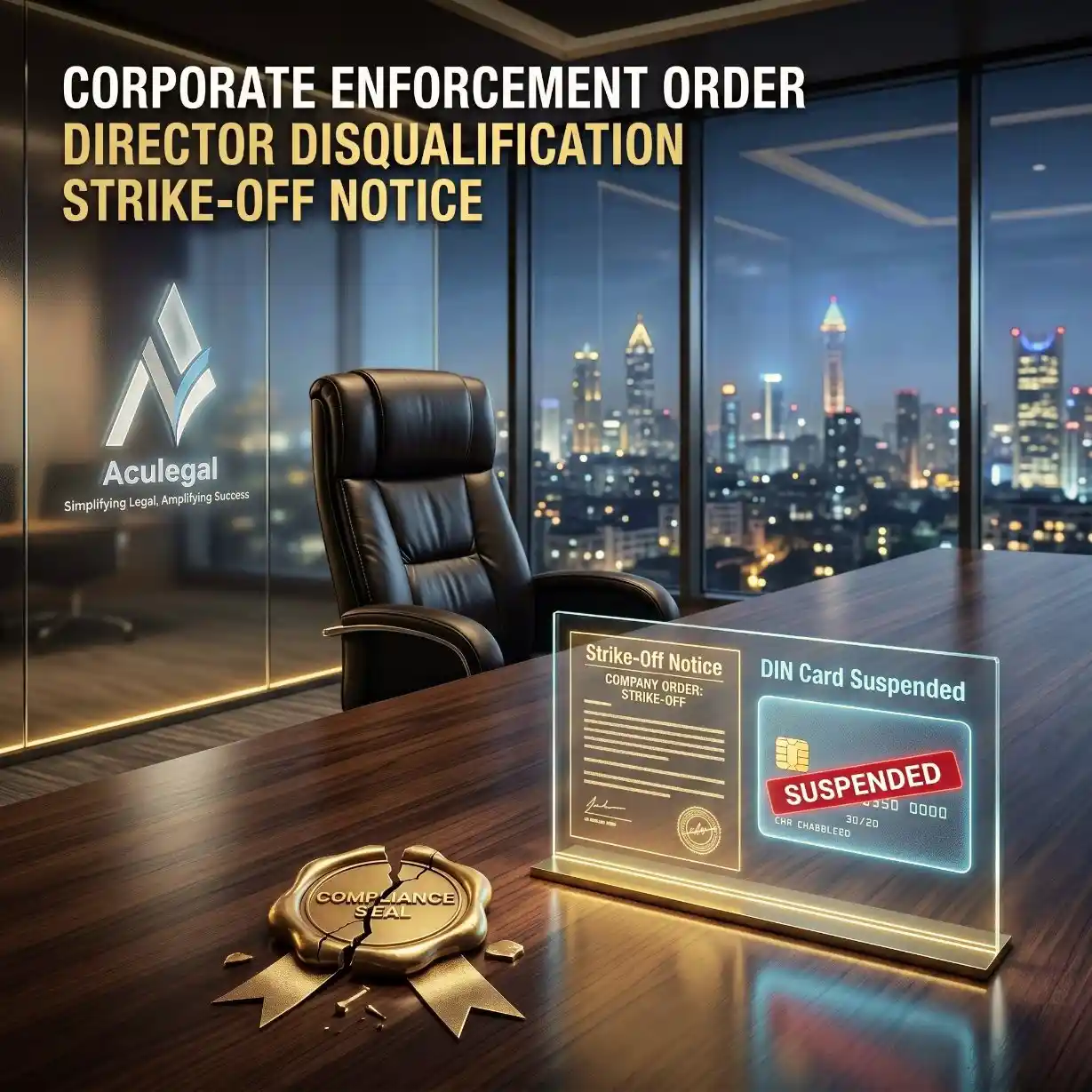
This is where it gets serious. The MCA has been explicit: upon the scheme’s expiry on July 15, 2026, Registrars of Companies will initiate strict action against all entities that remain non-compliant.
Here is what that looks like in practice:
- Director Disqualification under Section 164(2): Three consecutive years of non-filing triggers automatic disqualification of every director, banning them from any board in India for five years.
- Full Penalties Resume: The ₹100/day/per form additional fee restarts immediately on July 16, with no relief window available. Penalties can reach up to ₹5 lakh per form.
- Compulsory Strike-Off under Section 248: The ROC can initiate forced removal of the company from the register. Restoration after strike-off requires a fresh NCLT petition, a process that is far costlier and slower than CCFS filing.
- Criminal Prosecution: Active prosecution under Sections 92 and 137 of the Companies Act becomes live, with no immunity available.
- Business Paralysis: Banks check MCA compliance before approving loans. Investors scrutinise ROC filings during due diligence. Government tenders require a clean compliance record. Non-compliance kills deals before they start.
Who Is Eligible for CCFS-2026?
The scheme applies broadly to companies registered under the Companies Act, 2013, and its predecessor. However, certain categories are excluded:
Eligible:
- Private limited companies with pending AOC-4 and/or MGT-7 filings
- Public limited companies with filing backlogs
- Inactive companies seeking dormancy or clean closure
- Companies that have received adjudication notices but filed within 30 days of the notice
Not Eligible:
- Companies already granted dormant status
- Companies with filed voluntary strike-off applications
- Entities identified as “vanishing companies” by regulators
- Companies where adjudication orders have already been passed and the 30-day window has expired
If your situation falls outside the standard scheme, a separate legal remedy or NCLT route may be required. This is precisely where professional legal guidance becomes non-negotiable.
The Real Business Case for Acting Now
Let’s move beyond the legal language and speak plainly.
If you are a founder or SME owner, your compliance status is your business reputation. It signals to investors, lenders, and partners whether you run a serious operation. An MCA default is not invisible, it is on public record, visible to anyone who runs a basic company search.
Here is what CCFS-2026 MCA compliance can unlock for your business:
- Fundraising readiness: Investors conduct MCA due diligence as a first step. A clean record opens the room; a backlog closes it.
- Banking access: Business loans, OD limits, and current account upgrades all depend on your compliance status.
- Government contracts: Most tender applications require a certificate of active compliance from the MCA portal.
- Director mobility: If you plan to join another board, start a new entity, or bring in institutional co-founders, your DIN status must be clean.
The scheme window closes on July 15, 2026, with no stated extension. Acting next month is not an option, ROC portals get overwhelmed near deadlines, and filing queues extend unpredictably.
Source: ClearTax CCFS 2026 Guide
Step-by-Step: How to Use CCFS-2026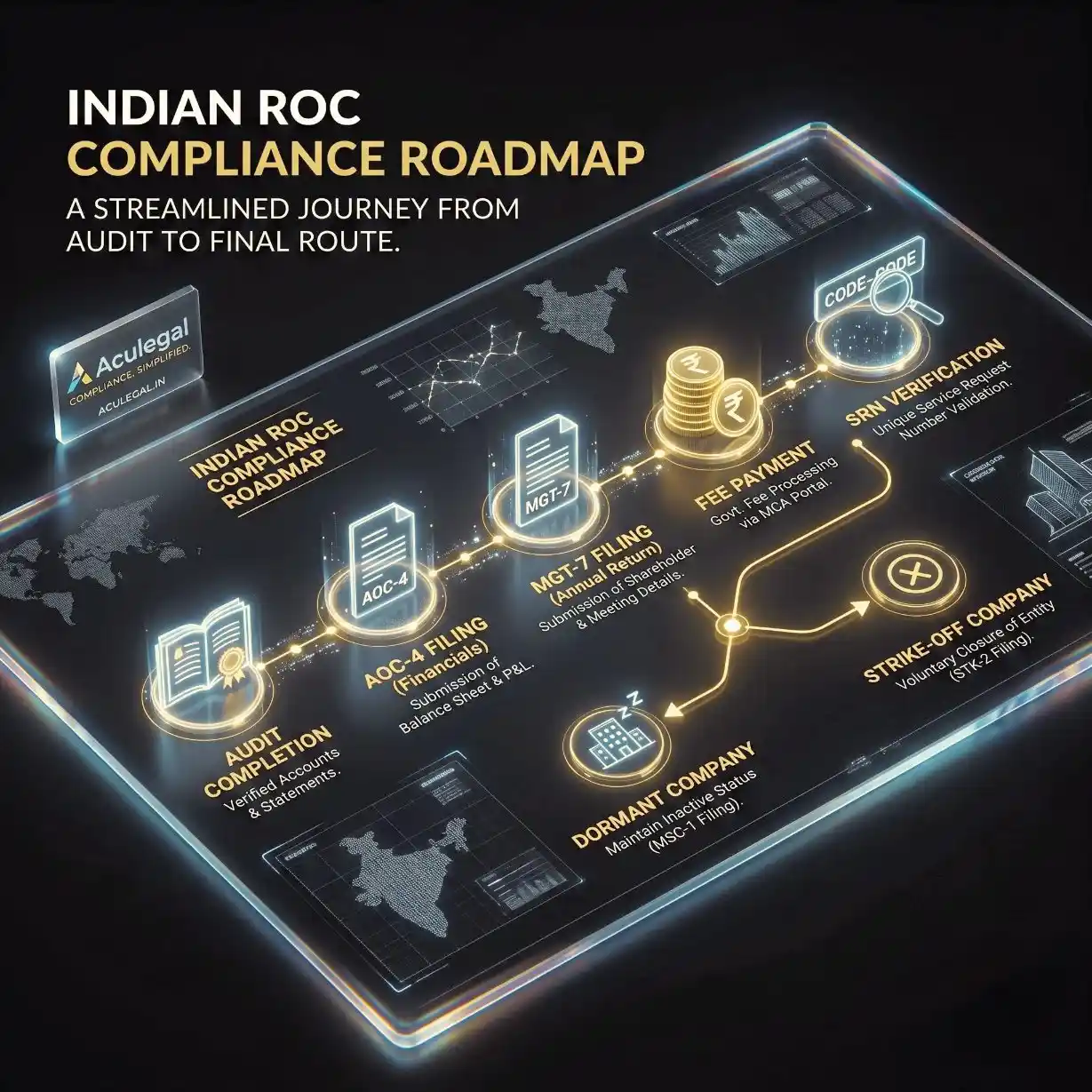
Here is a simplified roadmap for companies looking to act under the scheme:
- Audit Your Filing Status – Log in to the MCA-21 portal and identify all pending forms, financial years, and accumulated additional fees.
- Complete Statutory Audits – AOC-4 requires audited financial statements. Ensure your auditor generates a current UDIN for any backlog years.
- File AOC-4 First – Financial statements must precede the annual return.
- File MGT-7 – Annual return, referencing the filed AOC-4 data.
- Pay at 10% of Additional Fees – The portal calculates this automatically during submission.
- Download SRNs and Verify Status – Confirm your company’s MCA status reads “Active” post-filing.
- Choose Your Path – If opting for dormancy (MSC-1) or strike-off (STK-2), initiate those applications post annual filing.
This process sounds straightforward. In practice, multi-year backlogs with missing audit reports, outdated DINs, or pending adjudication notices require expert handling. A single error in filing sequence can invalidate your immunity.
Common Mistakes That Nullify Your CCFS-2026 Benefit
Many companies will attempt self-filing and make errors that cost them the immunity the scheme was designed to provide.
Watch out for:
- Filing MGT-7 before AOC-4 – The annual return cannot precede financial statements. Incorrect sequence = rejected filing.
- Missing auditor UDIN – Financial statements without a valid UDIN are rejected by the MCA portal.
- Ignoring adjudication notices – If a notice has been issued, you have 30 days to file and claim immunity. Missing that window forfeits the protection.
- Assuming the scheme applies to all forms – Only specific e-forms are covered. Event-based forms outside the scheme’s scope are subject to full penalties regardless.
- Waiting until July – Portal congestion in the final two weeks of any government scheme is predictable and well-documented. Early filing is risk-free; late filing is not.
Source: IBC Laws CCFS-2026 FAQ
Real Scenarios: What CCFS-2026 Looks Like in Practice
Scenario 1: The Stalled Startup A tech startup incorporated in 2021 never launched commercially. Four years of zero filings accumulated approximately ₹2.9 lakh in additional fees. Under CCFS-2026, it pays roughly ₹29,000, files all pending returns, and initiates clean closure via STK-2.
Scenario 2: The Dormant Family Business A holding company with five years of missed filings and no active operations. Under the scheme, all pending annual returns are filed at 10% additional fees, followed by an MSC-1 application at 50% of the dormancy fee. Future compliance reduces to one form per year.
Scenario 3: The Active SME with a Backlog A manufacturing SME that missed two years of filings during the pandemic. Filing now under CCFS-2026 costs a fraction of the accumulated penalty, restores MCA active status, and clears the company for a bank credit line application that was previously stalled.
Source: BCL India CCFS-2026 Overview
Conclusion: The Window Is Open. The Clock Is Running.
CCFS-2026 MCA compliance is not a nice-to-have. It is a business-critical decision with a hard expiry date of July 15, 2026.
Here is what you need to remember:
- 90% waiver on accumulated additional fees – the most significant relief since 2018
- Three structured paths: continue, go dormant, or exit cleanly
- Immunity from prosecution if filed before or within 30 days of an adjudication notice
- Zero indication of extension – July 15 is absolute
- Post-deadline consequences include director disqualification, forced strike-off, criminal prosecution, and complete loss of banking and investor access
The companies that move now will spend a fraction of what they’d owe later. The companies that wait will spend far more money, time, and business opportunity lost.
🔔 Book Your Free Legal Consultation with Aculegal – Today
At Aculegal, we have guided founders, startups, and SMEs through every stage of their corporate compliance journey. From routine annual filings to complex multi-year backlog clearances, our team provides structured, expert-led legal support designed for the way businesses actually operate.
We are currently assisting clients in clearing their CCFS-2026 backlogs before the July 15 deadline. Spots are limited as the deadline approaches.
👉 Book Your Free Consultation Now →
👉 Talk to a Legal Expert →
Aculegal
Simplifying Legal. Amplifying Success.